
39 risultati
-
Giacca In Pelle Revea Donna -
Giacca In Pelle Stella Maver-X -
Giacca Stella C-1 Impermeabile -
Giacca Stella C-1 Impermeabile -
Giacca Stella C-1 Impermeabile -
Giacca Stella Grace -
Giacca Stella Moshell -
Giacca Stella Moshell -
Giacca Stella Grace -
Giacca Idles -
Giacca Idles -
Giacca Stella Troop-Air -
Giacca Molly Air -
Giacca Stella Circal-1 Air -
Giacca Stella C-1 Air -
Giacca Stella T-Dyno Air -
Giacca Stella T-Dyno Air -
Giacca Stella C-1 Air -
Giacca Molly Air -
Giacca Stella C-1 Air -
Giacca Stella T-Dyno Resistente All'Acqua -
Giacca Stella Troop-Air -
Giacca Stella C-1 Air -
Giacca Stella T-Dyno Resistente All'Acqua -
Giacca Molly Air -
Giacca Stella T-Dyno Resistente All'Acqua -
Giacca Stella T-Dyno Air -
Giacca Isla Resistente All'Acqua -
Giacca Isla Resistente All'Acqua -
Giacca In Pelle Tory -
Giacca In Pelle Stella Dyno -
Giacca In Pelle Stella Dyno -
Pile Banshee -
Giacca In Pelle Alice -
Giacca In Pelle Stella Vika V2 -
Giacca Eloise V2 Air



























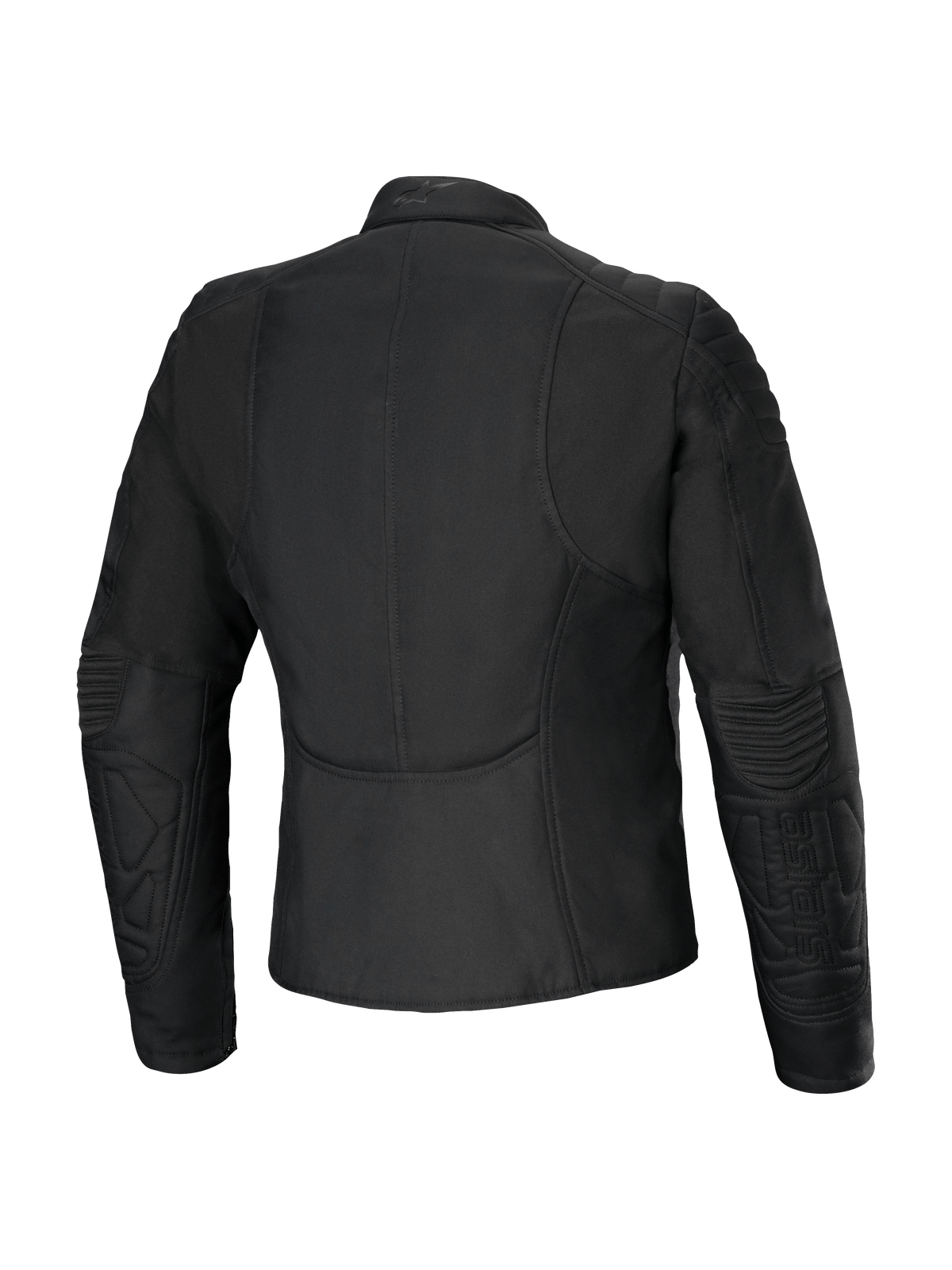


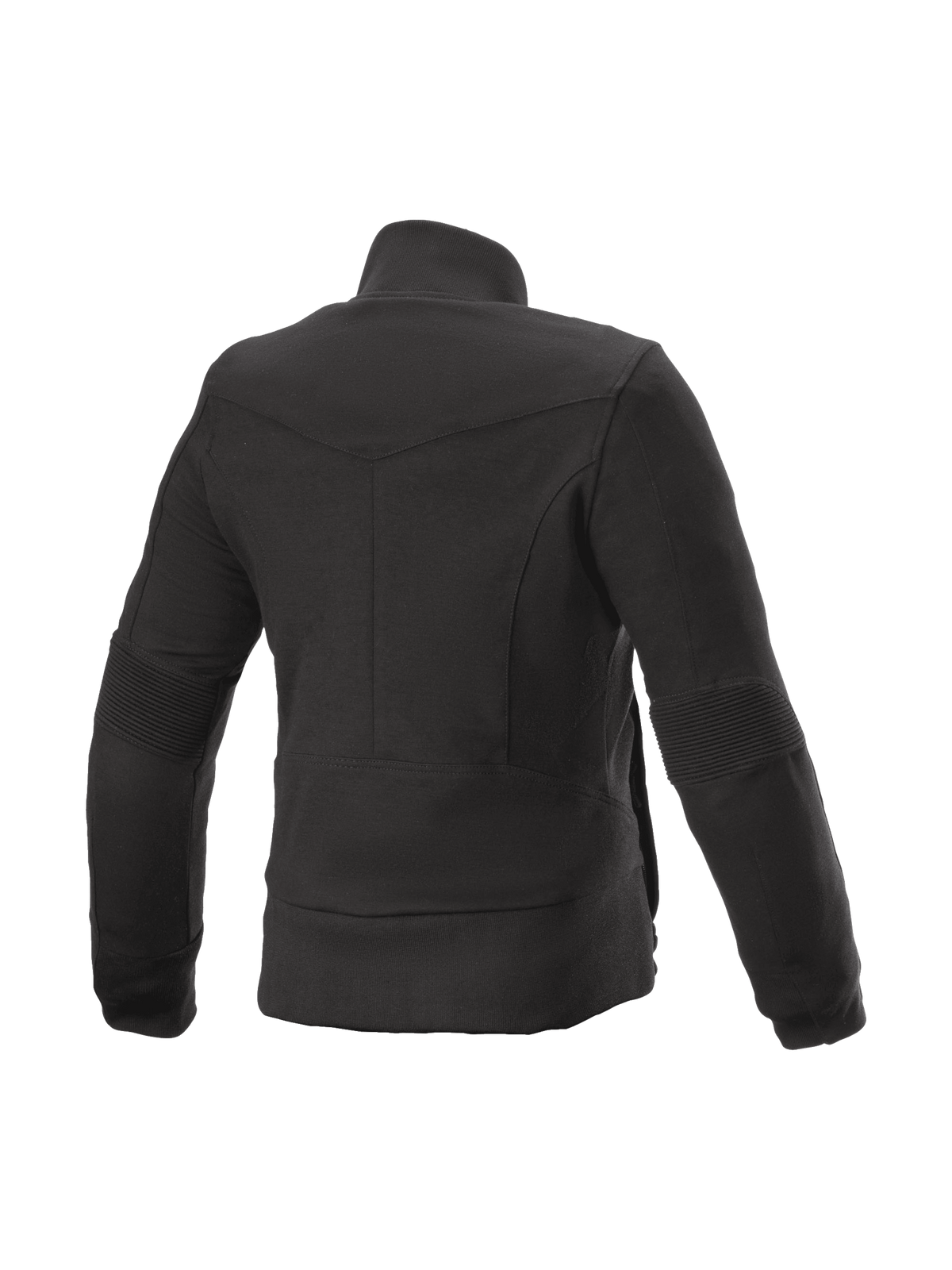

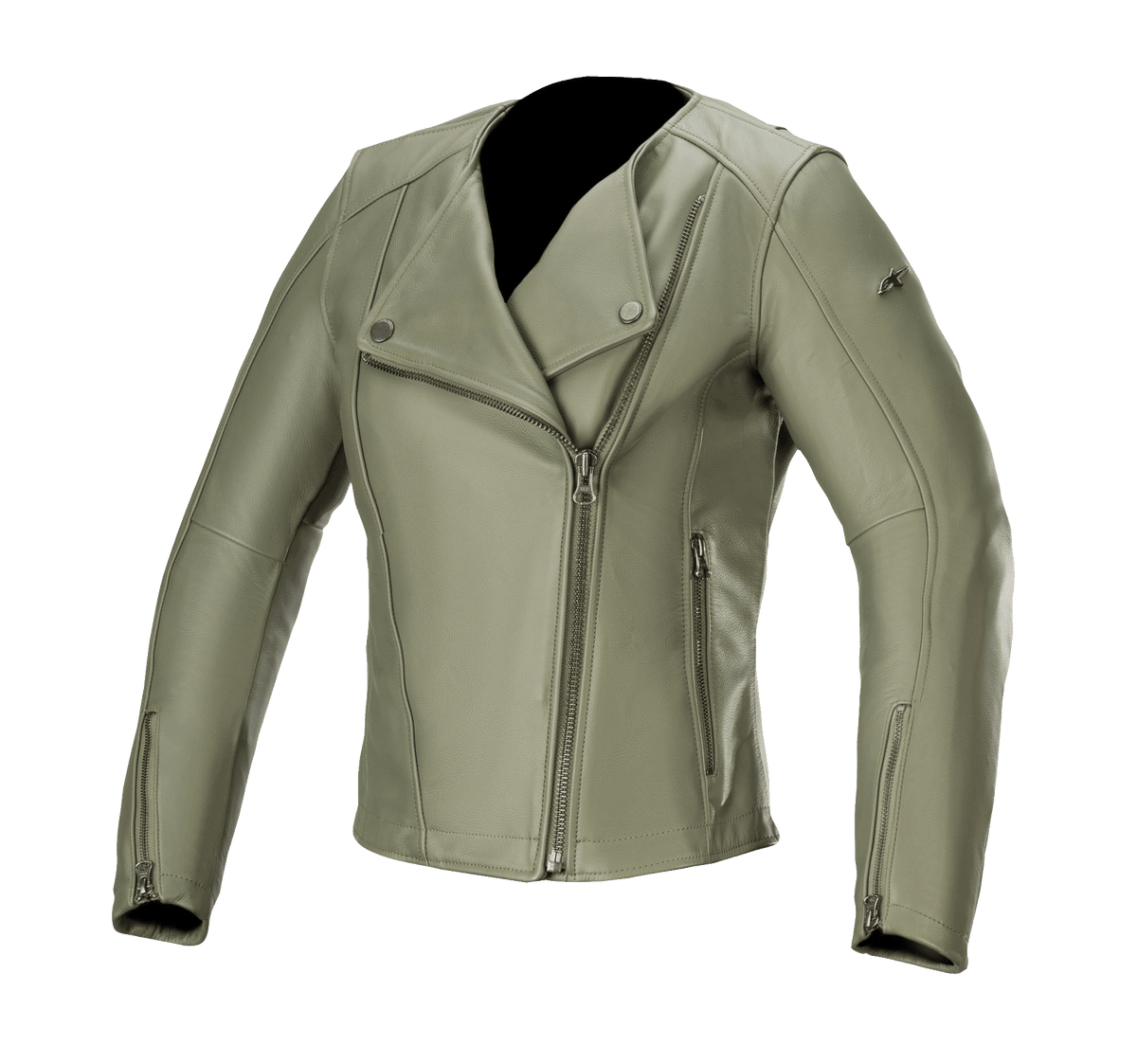
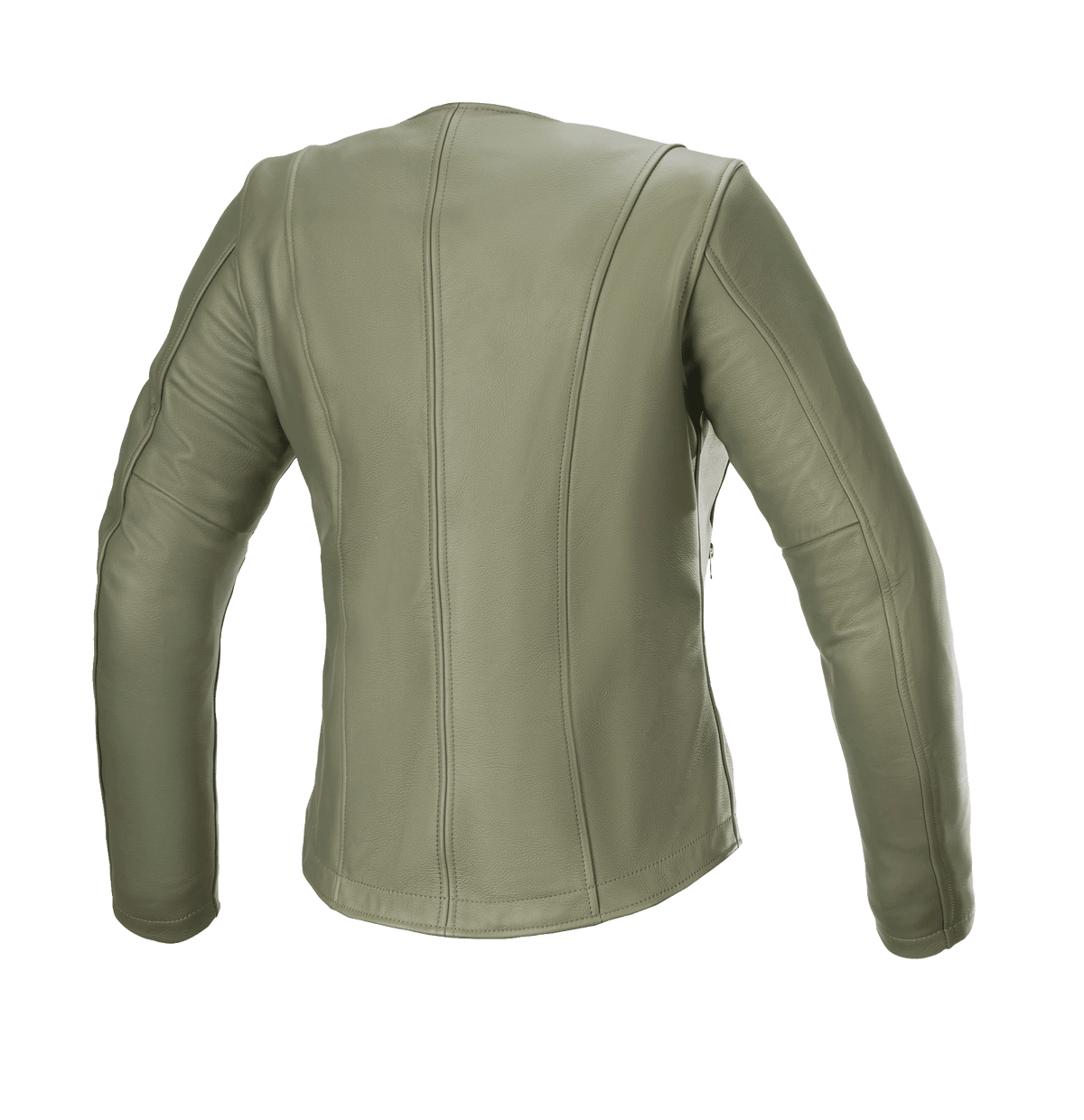






Domande frequenti Nascondi FAQ
Come vestono le giacche moto urban da donna di questa collezione e come scegliere la taglia giusta?
Queste giacche utilizzano una modellistica specifica da donna orientata alle prestazioni, progettata per aderire al corpo senza limitare la portata verso il manubrio. Inizia prendendo le misure di seno, vita e fianchi e confrontale con la guida alle taglie presente in ogni pagina prodotto. La giacca deve risultare aderente su spalle e maniche, con le protezioni correttamente posizionate, e non deve tirare quando distendi le braccia in posizione di guida.
Se prevedi di indossare intimo tecnico o strati intermedi, oppure di utilizzare inserti aggiuntivi per paraschiena/protezione torace o un gilet airbag, lascia lo spazio necessario. Se sei tra due taglie, considera il tipo di stratificazione che vuoi usare e scegli la taglia che mantiene mobilità e corretto posizionamento delle protezioni.
Quali certificazioni di sicurezza e protezioni dovresti cercare nelle giacche urban da donna?
La maggior parte delle giacche tecniche da moto fa riferimento alle classificazioni EN 17092 (AAA/AA/A) per indicare le prestazioni complessive in termini di abrasione e resistenza delle cuciture. Le giacche orientate all’uso urbano puntano spesso alla classe A o AA per bilanciare protezione e flessibilità; per un utilizzo a velocità più elevate può essere più adatta una classificazione AA o AAA, in base alla costruzione.
Per la protezione dagli impatti, cerca protezioni certificate CE secondo la norma EN 1621-1 su spalle e gomiti e una tasca o un inserto secondo la EN 1621-2 per il paraschiena; alcuni modelli accettano anche una protezione torace divisa secondo la EN 1621-3. Controlla sempre la descrizione del prodotto e l’etichetta per verificare standard e livello esatti.
Quali materiali funzionano meglio per la guida in città e nelle diverse stagioni in questa collezione?
La costruzione varia per bilanciare flusso d’aria, protezione dalle intemperie e resistenza all’abrasione. Usa questa guida per abbinare i materiali alle condizioni:
| Materiale | Utilizzo urbano | Proprietà principali |
|---|---|---|
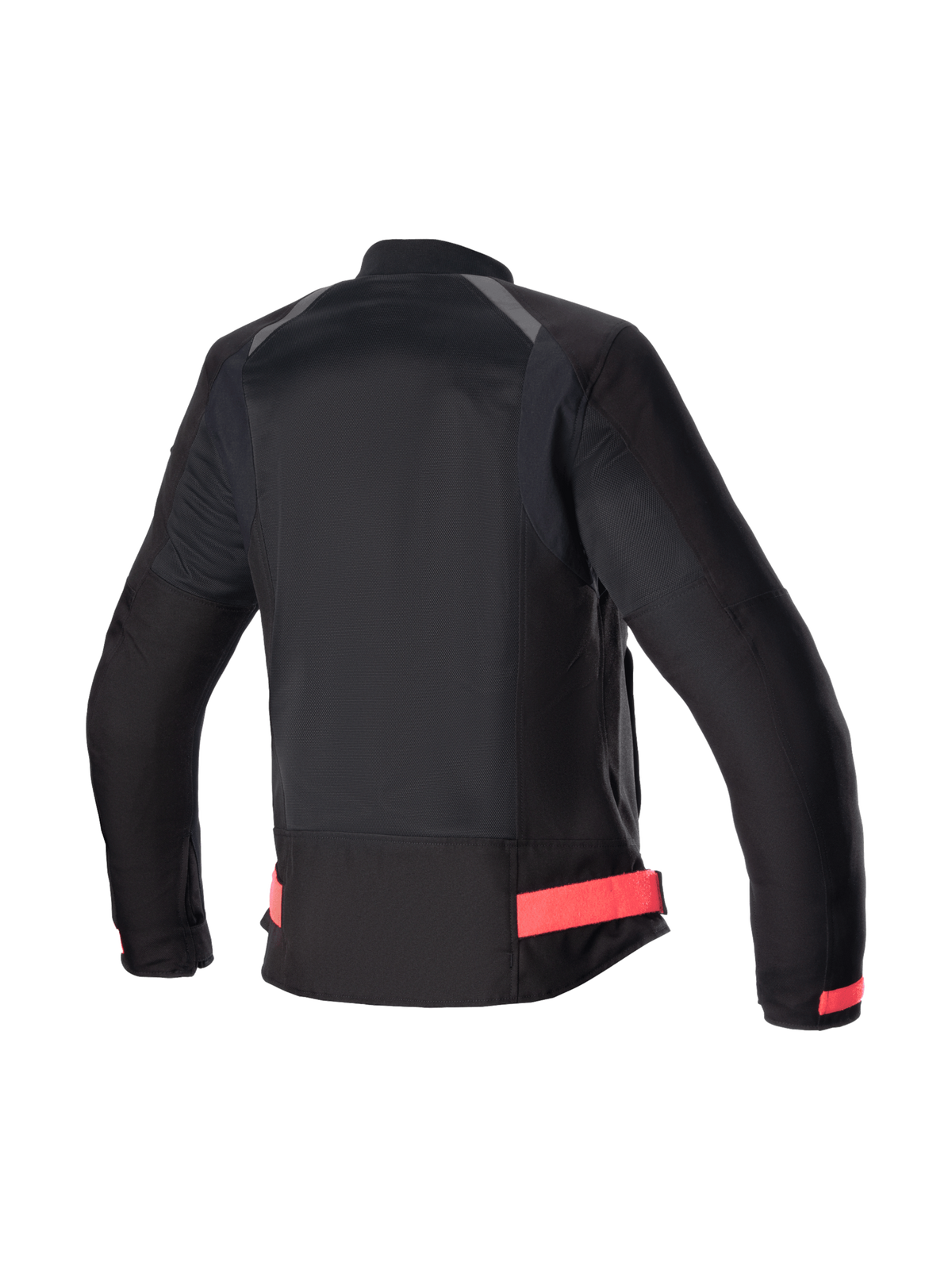
| Tessuto / mesh | Commuting con clima caldo | Leggeri; pannelli traspiranti; asciugatura rapida |
| Softshell / tessuto casual-style | Condizioni miste, look discreto | Strutture flessibili; spesso con tasche per protezioni; resistenza a vento e acqua variabile |
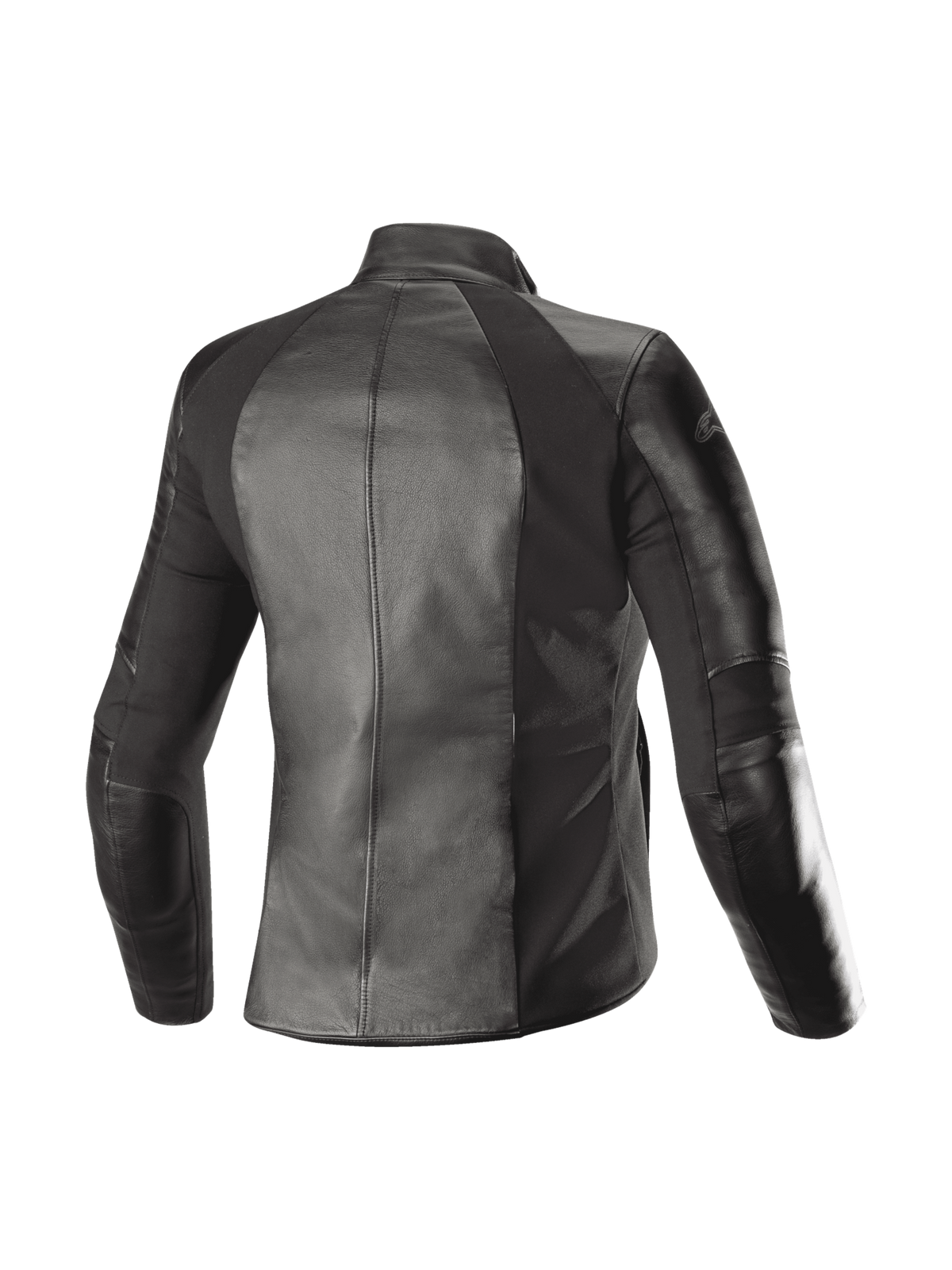
| Pelle, spesso traforata | Clima temperato, zone ad alta abrasione | Elevata resistenza all’abrasione; vestibilità aderente; impermeabilità limitata |
Scegli ventilazione in mesh o traforata, fodere termiche o membrane impermeabili in base al tuo clima e alla velocità a cui guidi. Per esplorare opzioni correlate, scopri le giacche urban o la selezione più ampia di giacche moto da donna.
Le giacche urban da donna di questa collezione sono compatibili con i sistemi airbag Tech-Air® o con upgrade delle protezioni?
Molti capi includono tasche per inserti di protezione certificati CE e alcuni sono indicati come “Tech-Air® Compatible/Ready”. La compatibilità dipende dalla modellistica specifica della giacca, dalle zone elasticizzate e dallo spazio previsto per l’apertura del sistema. Prima dell’abbinamento, controlla sempre nella pagina prodotto che sia presente un’indicazione chiara sulla compatibilità.
Per confermare, visita i sistemi Tech-Air® e usa il verificatore di compatibilità Tech-Air® per controllare la tua giacca e scegliere il gilet airbag appropriato.
Come lavare e mantenere una giacca moto urban per conservarne le prestazioni?
Per i capi in tessuto: rimuovi le protezioni ed eventuali componenti elettronici, chiudi zip e chiusure a strappo e lava in lavatrice a freddo con ciclo delicato e detergente neutro solo se l’etichetta di manutenzione lo consente. Evita candeggina e ammorbidente, poi lascia asciugare all’aria lontano da fonti di calore dirette. Ripristina il trattamento idrorepellente DWR del guscio quando l’acqua non forma più gocce in superficie; un calore basso può aiutare a riattivare il DWR se consentito dall’etichetta.
La pelle non deve essere lavata in lavatrice. Puliscila con un panno umido, lasciala asciugare naturalmente e tratta il materiale con un prodotto adatto alla pelle. Segui sempre le istruzioni di manutenzione specifiche riportate sull’etichetta del capo.