
53 risultati
-
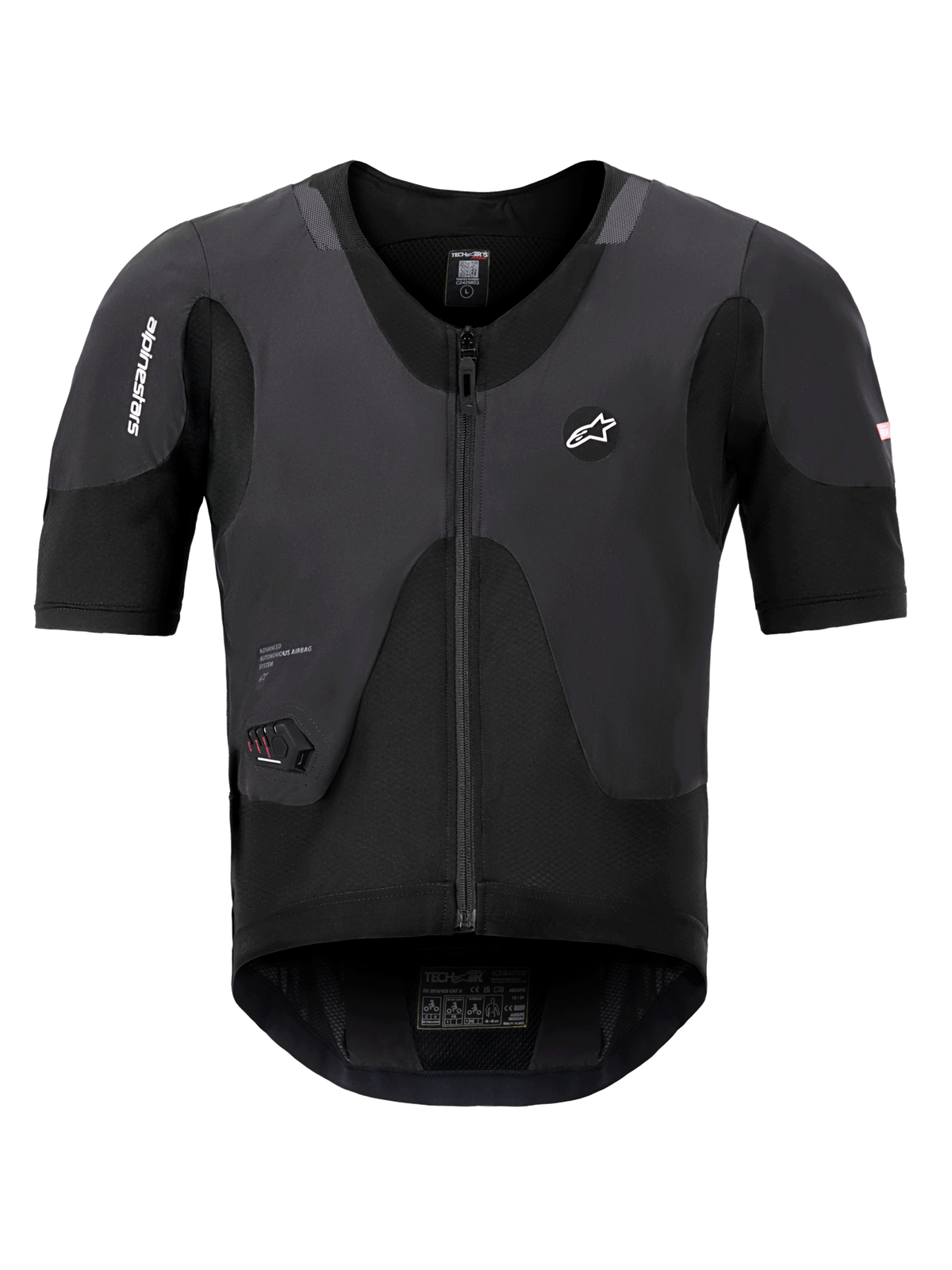
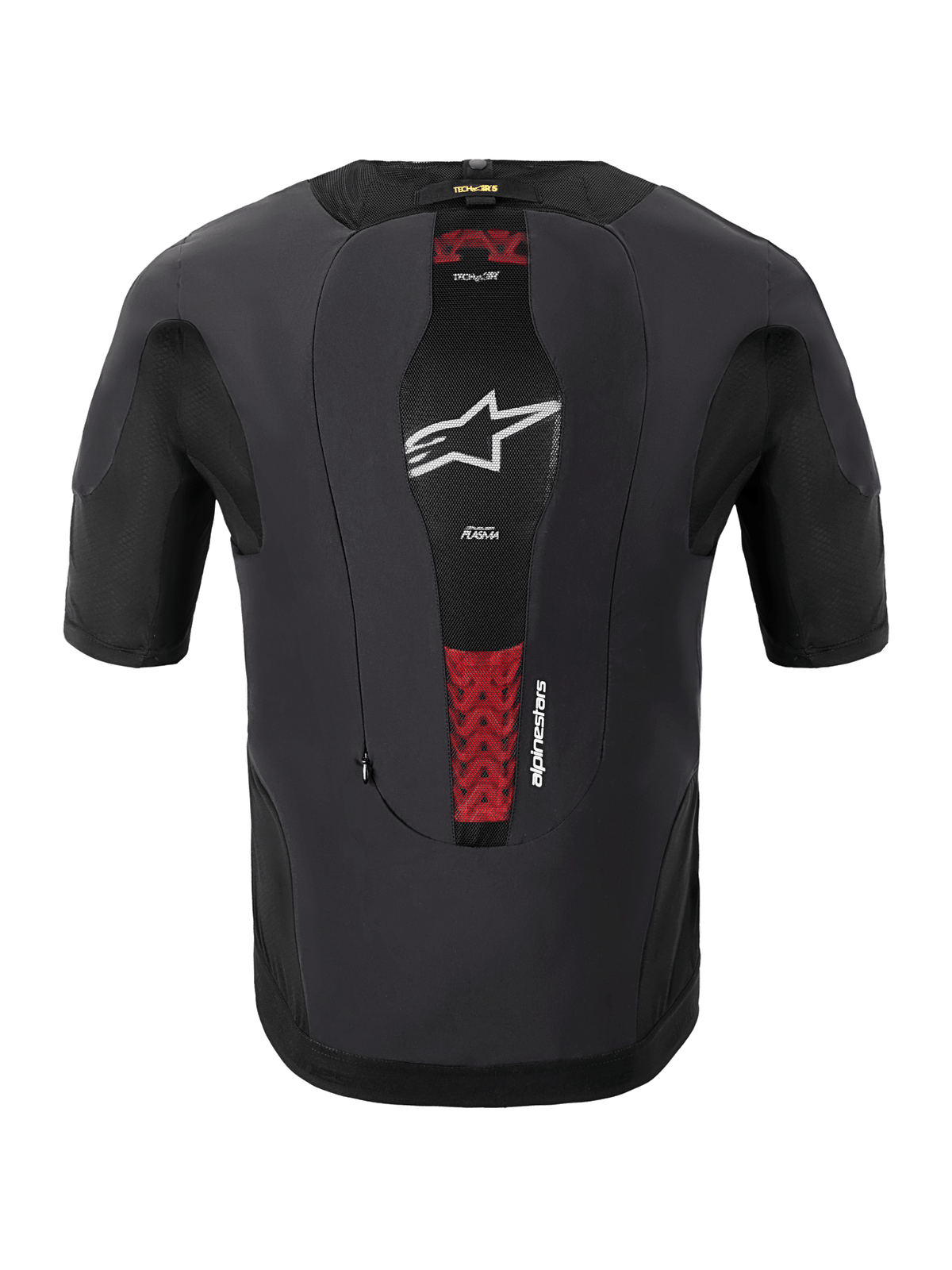
Airbag Tech-Air® 5 Plasma -
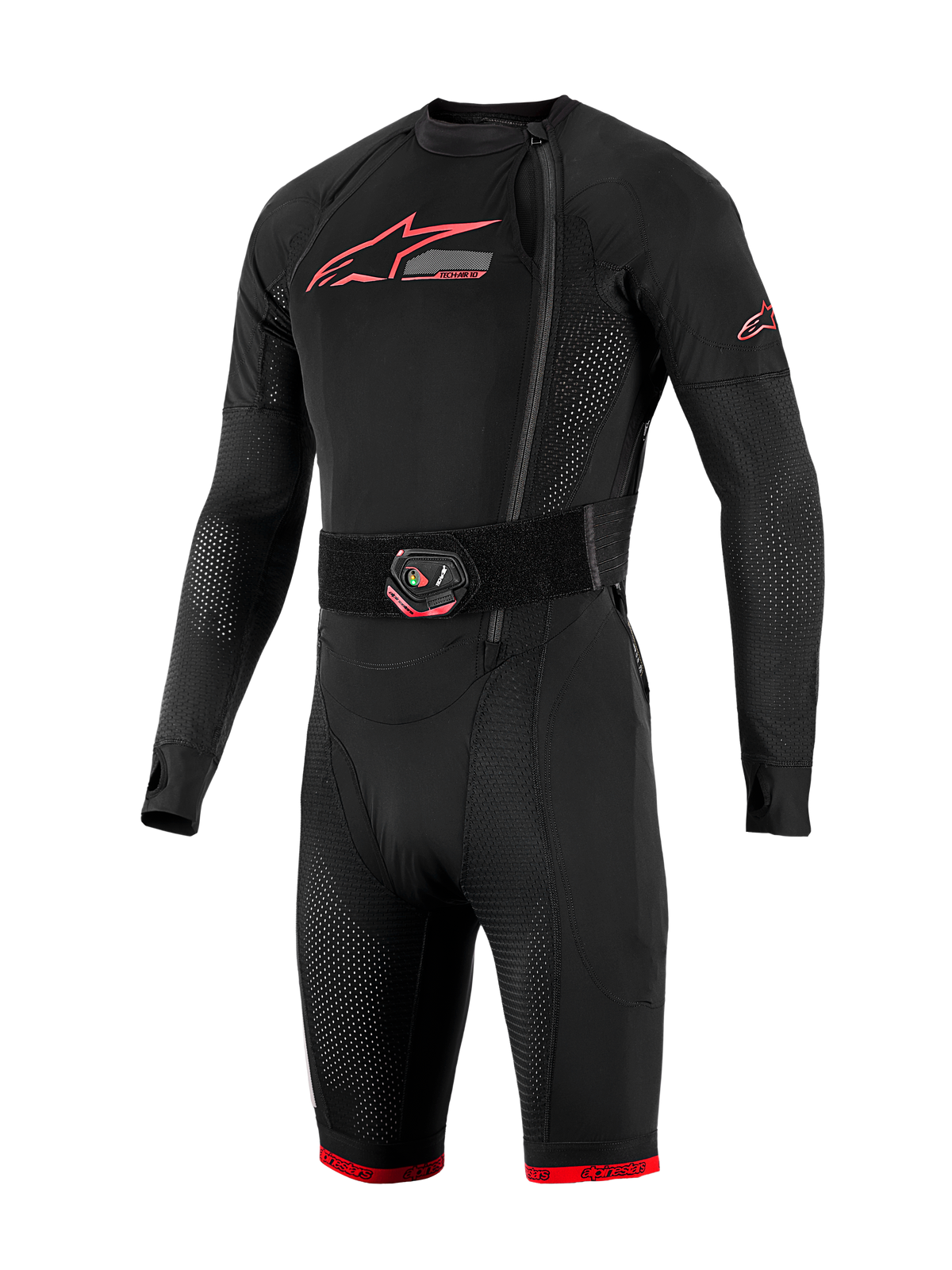
Airbag Tech-Air® 10 V2 Race -
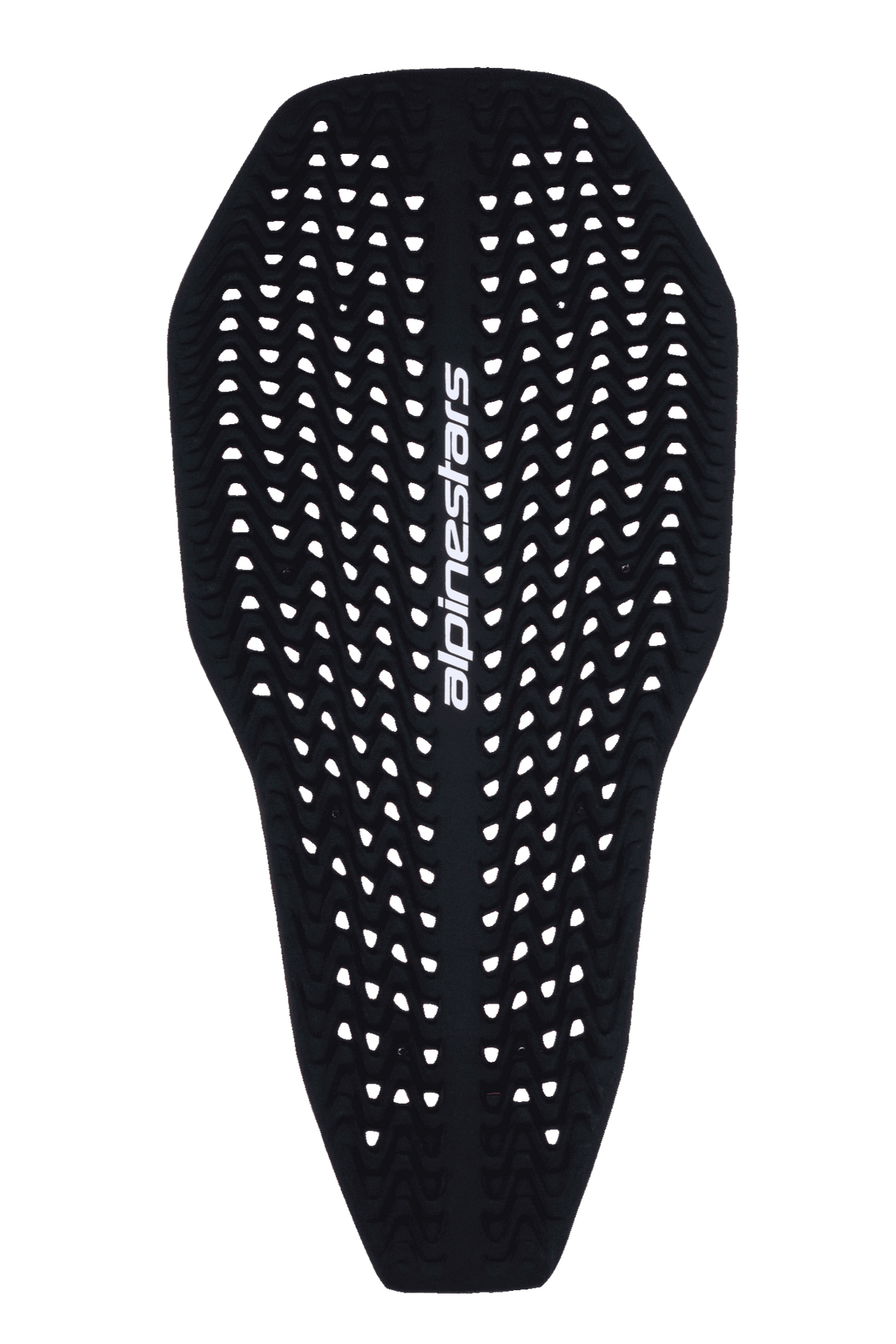
Inserto Per Paraschiena Intero Nucleon Plasma -
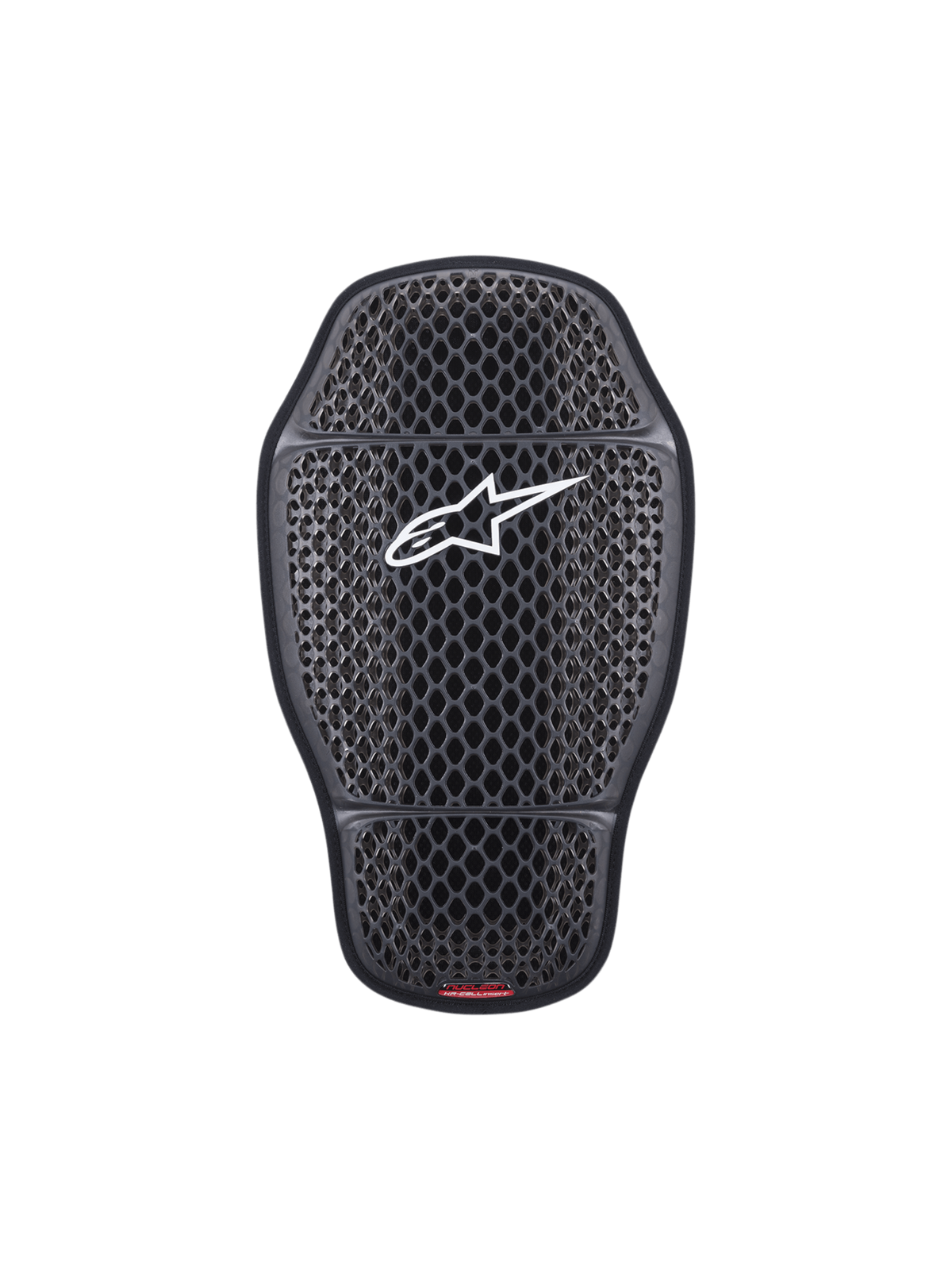
Inserto Per Paraschiena Nucleon Plasma -
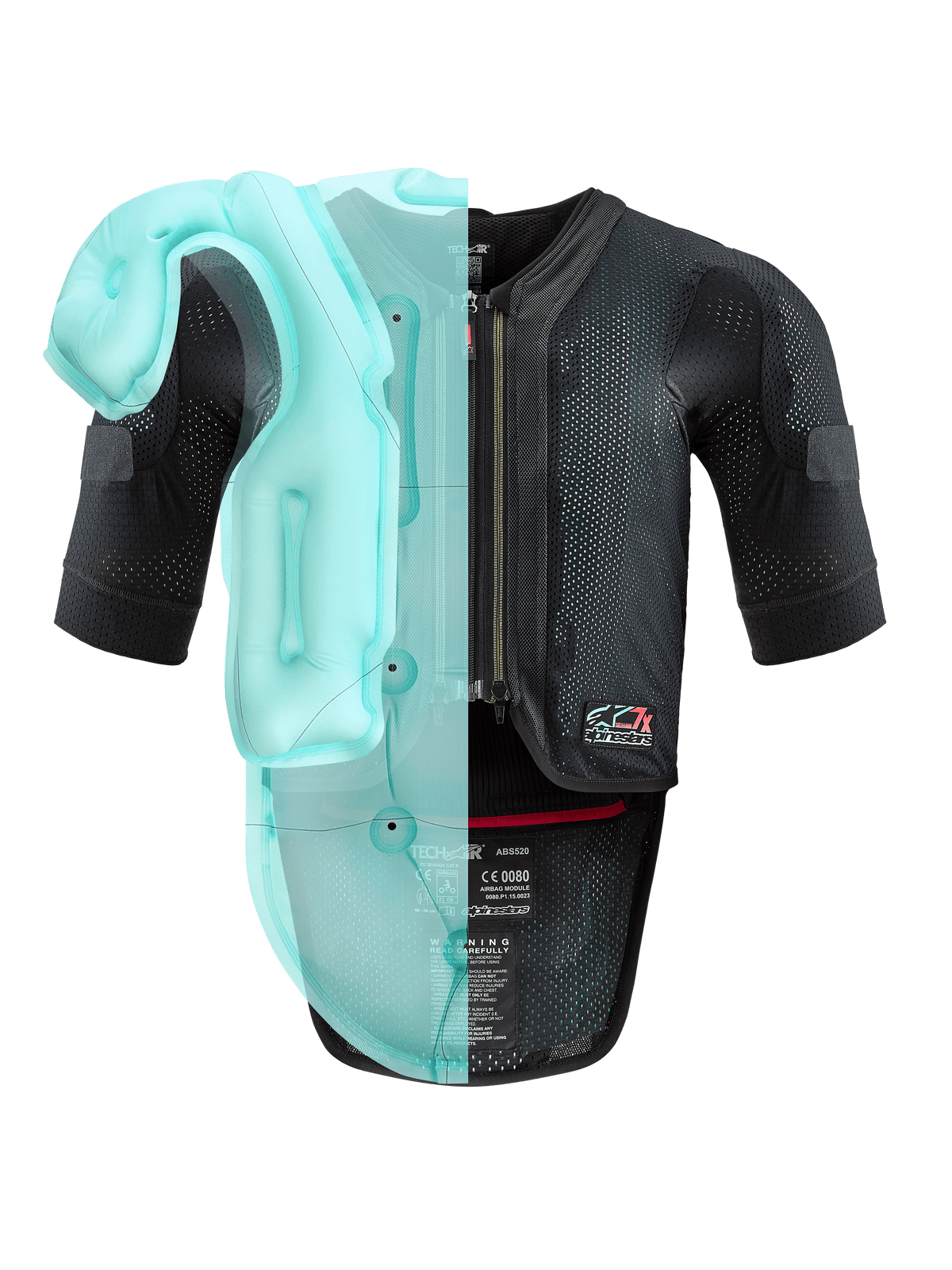
Airbag Tech-Air® 7X -
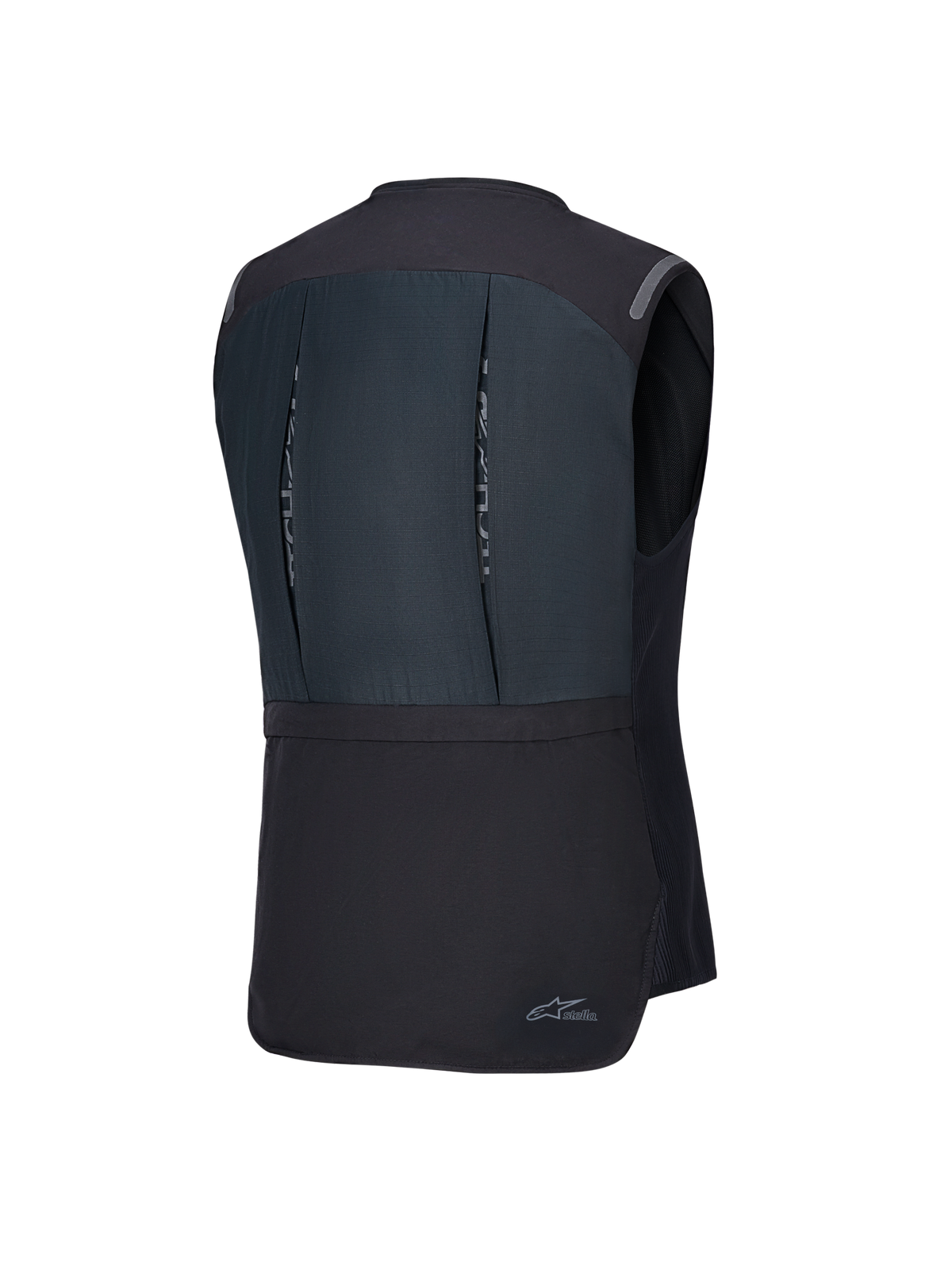
Airbag Stella Tech-Air® 3 V2 -
Protezione Nucleon Kr-Cell -
Paraschiena Nucleon Kr-2 -
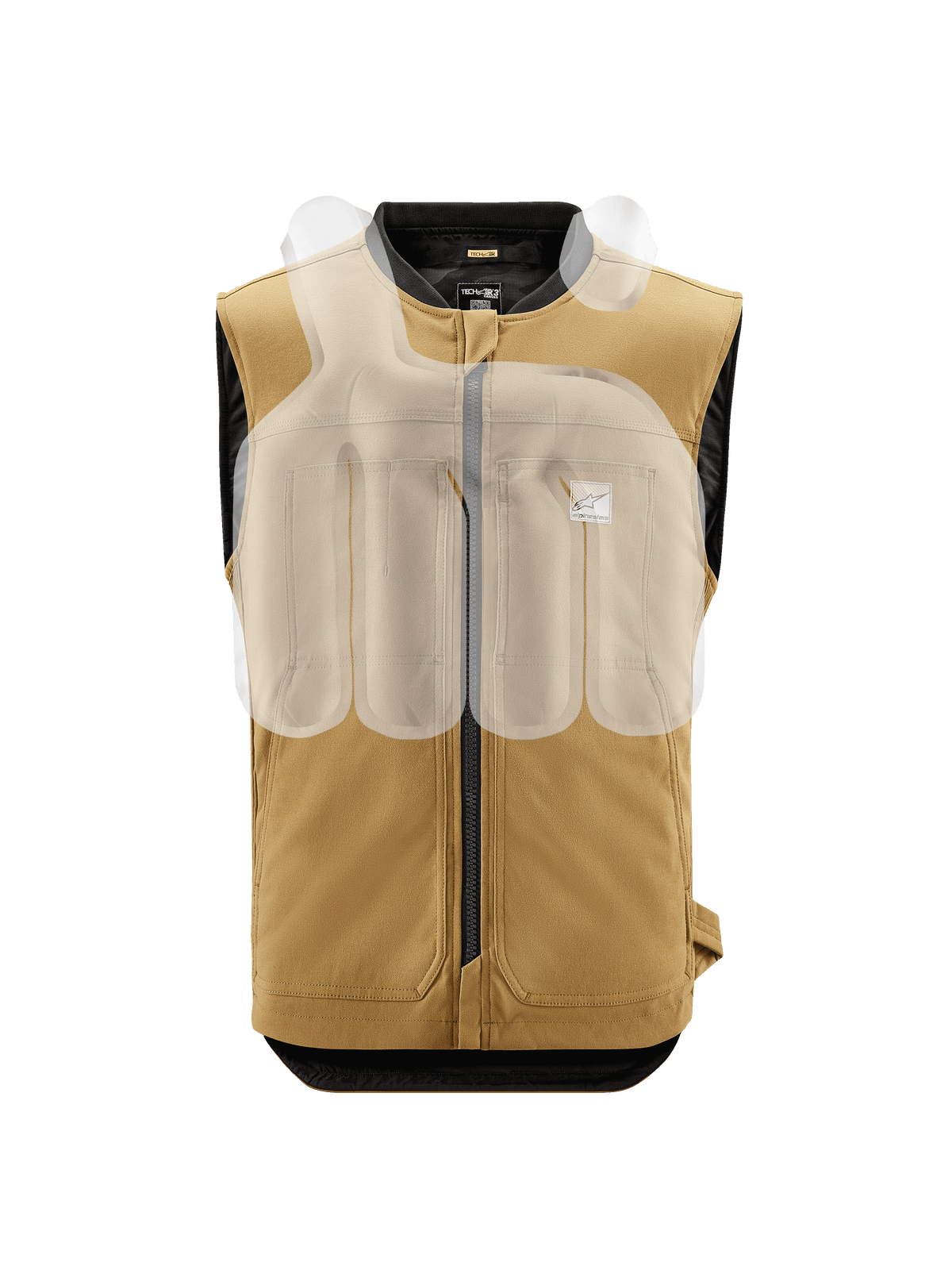
Airbag Tech-Air® 3 V2 Canvas -
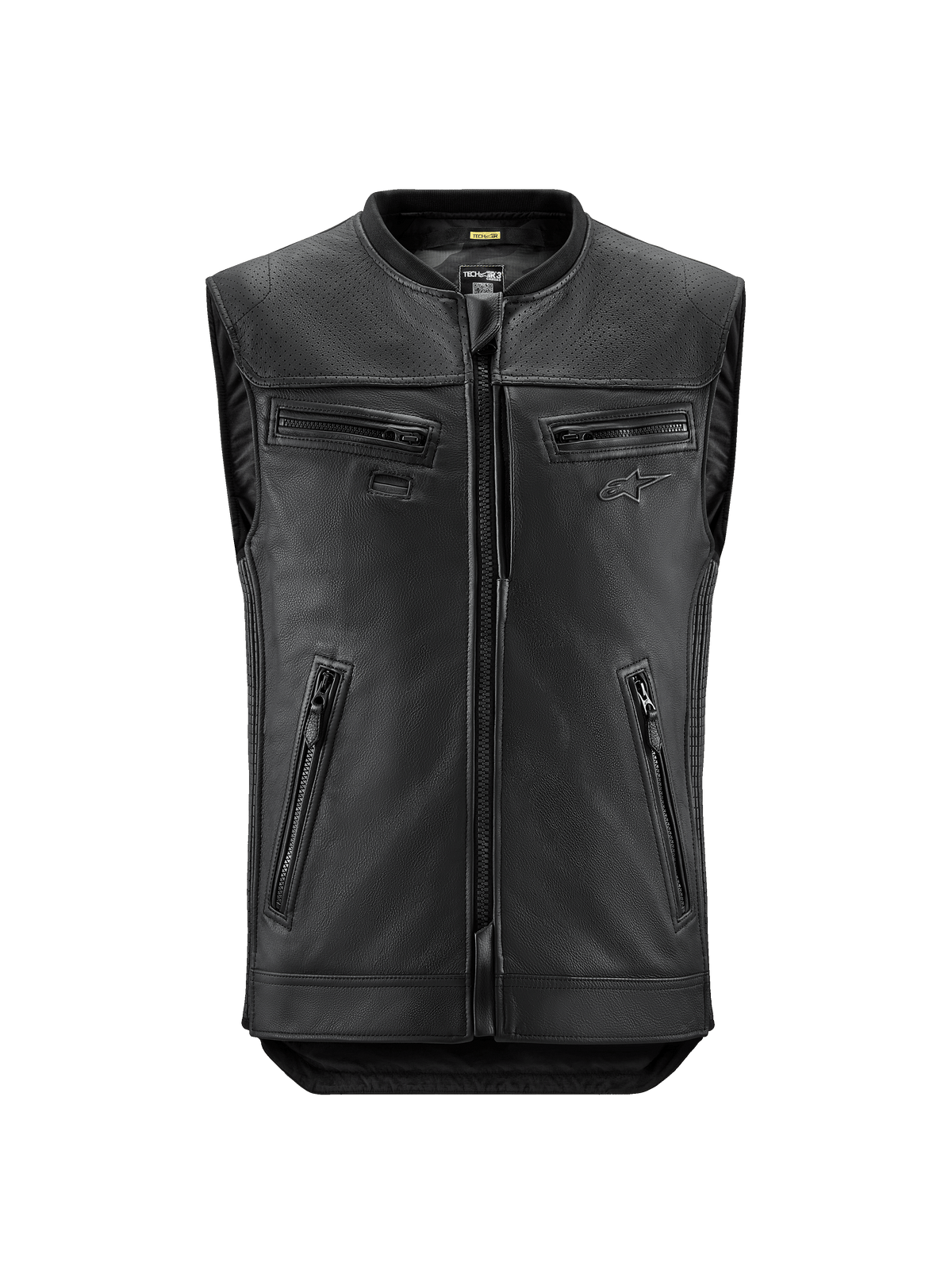
Airbag Tech-Air® 3 V2 In Pelle -
Toe Slider GP Plus -
Knee Slider GP Tech -
Airbag Tech-Air® 3 V2 Canvas -
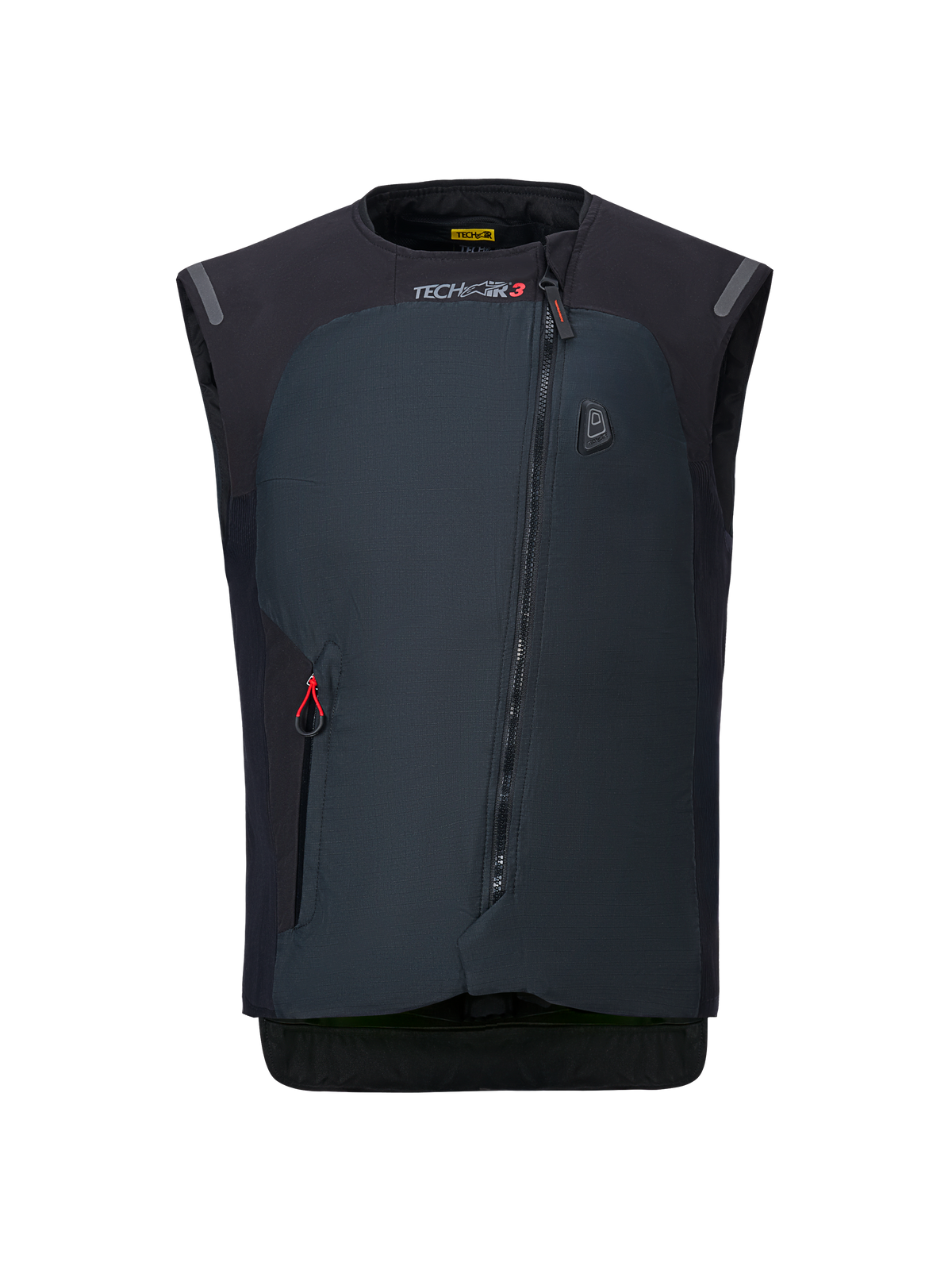
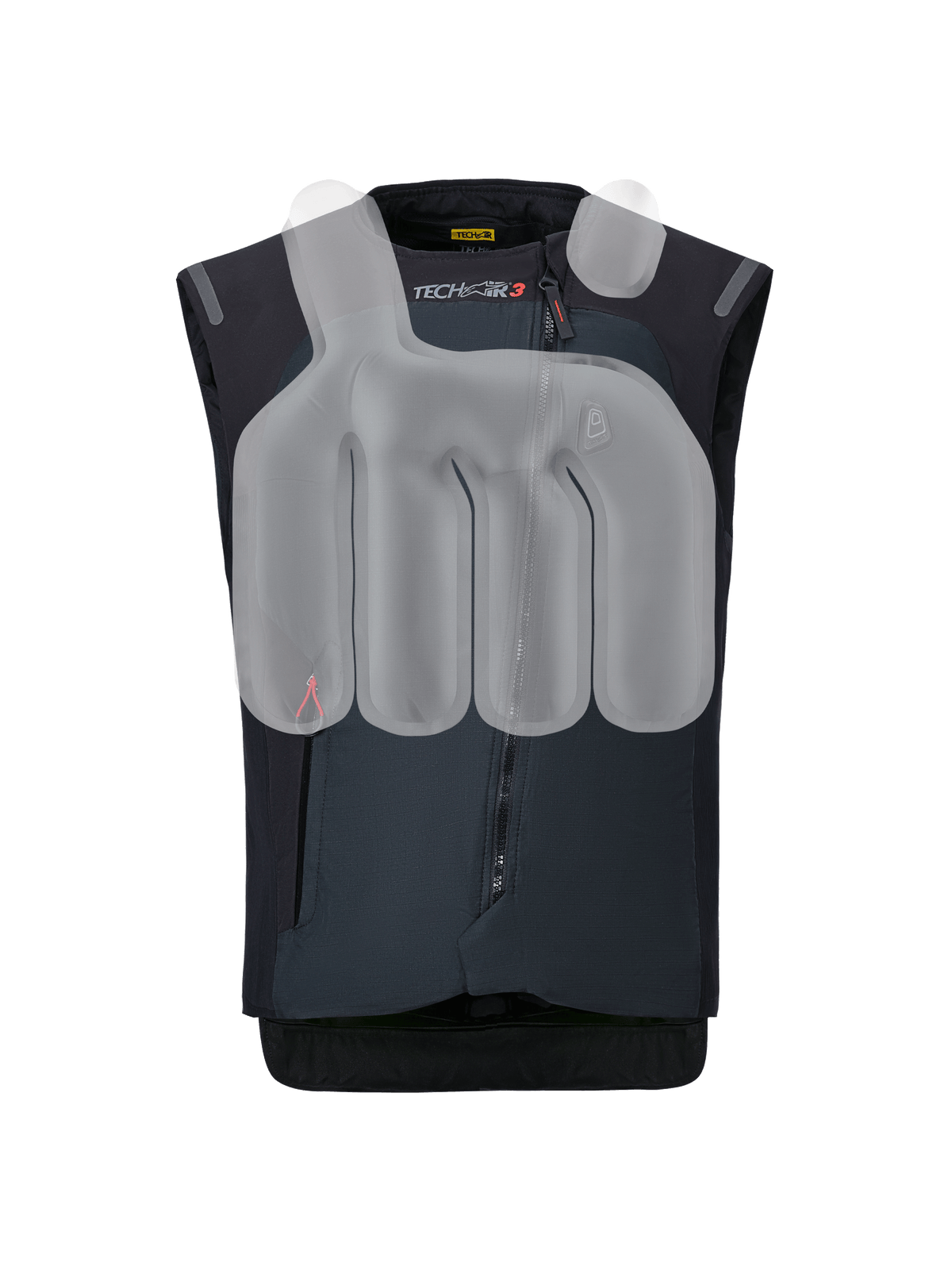
Airbag Tech-Air® 3 V2 -
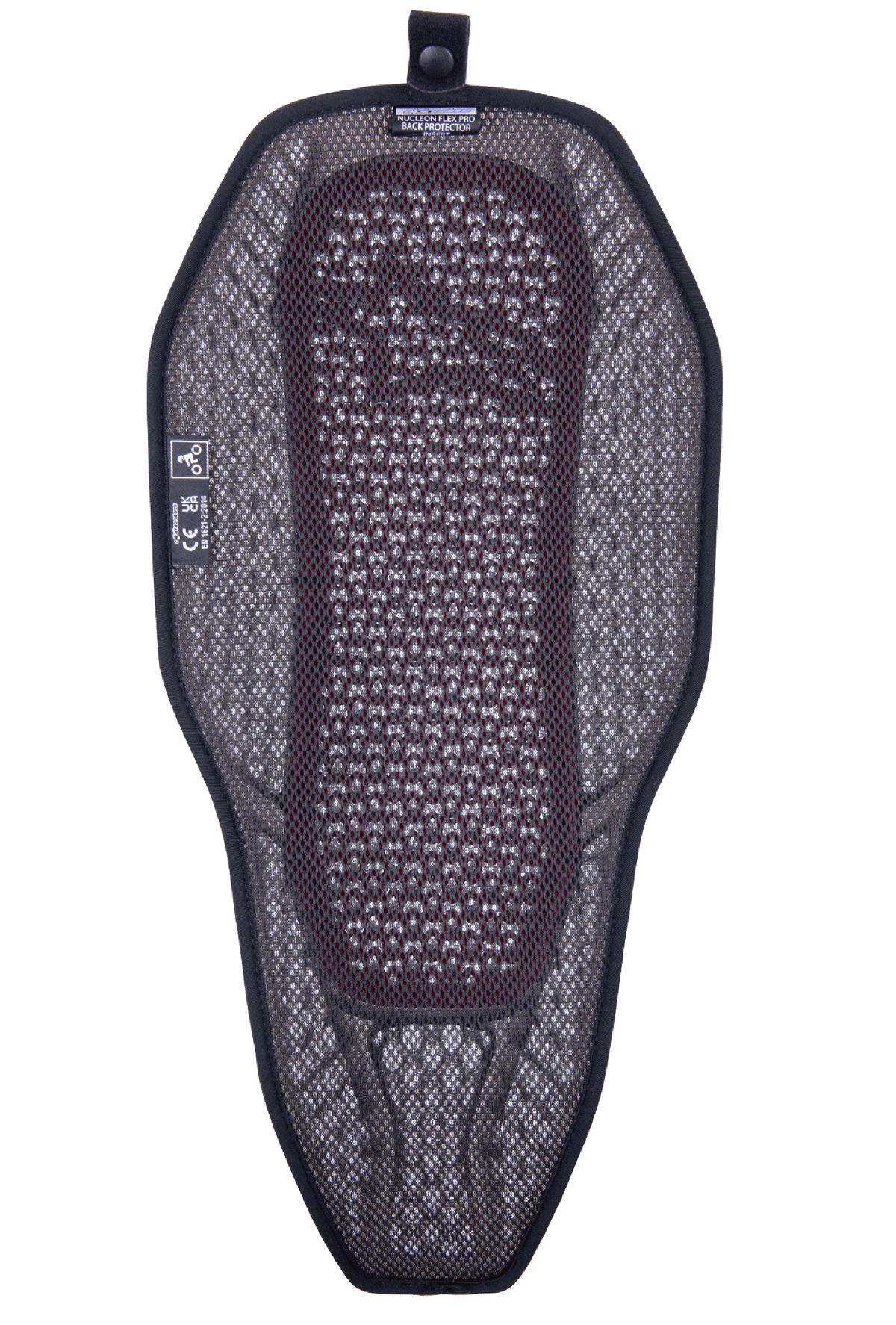
Inserto Paraschiena Intero Nucleon Flex Pro -
Paraschiena Nucleon KR-1 Cell i -
Airbag Tech-Air® 3 V2 -
Airbag Tech-Air® 5 -
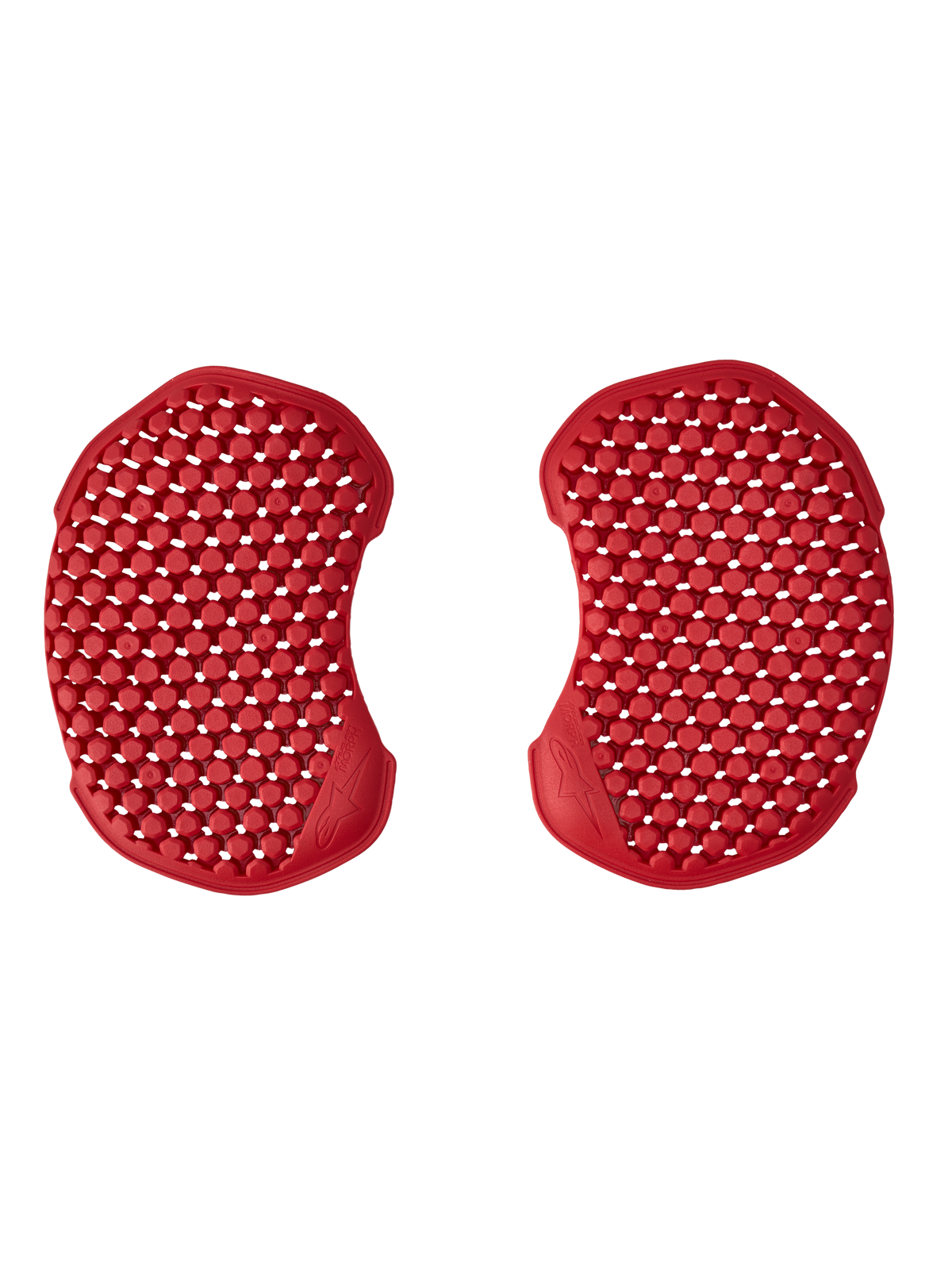
Protettori Per L'Anca Nucleon Morph STEALTH -
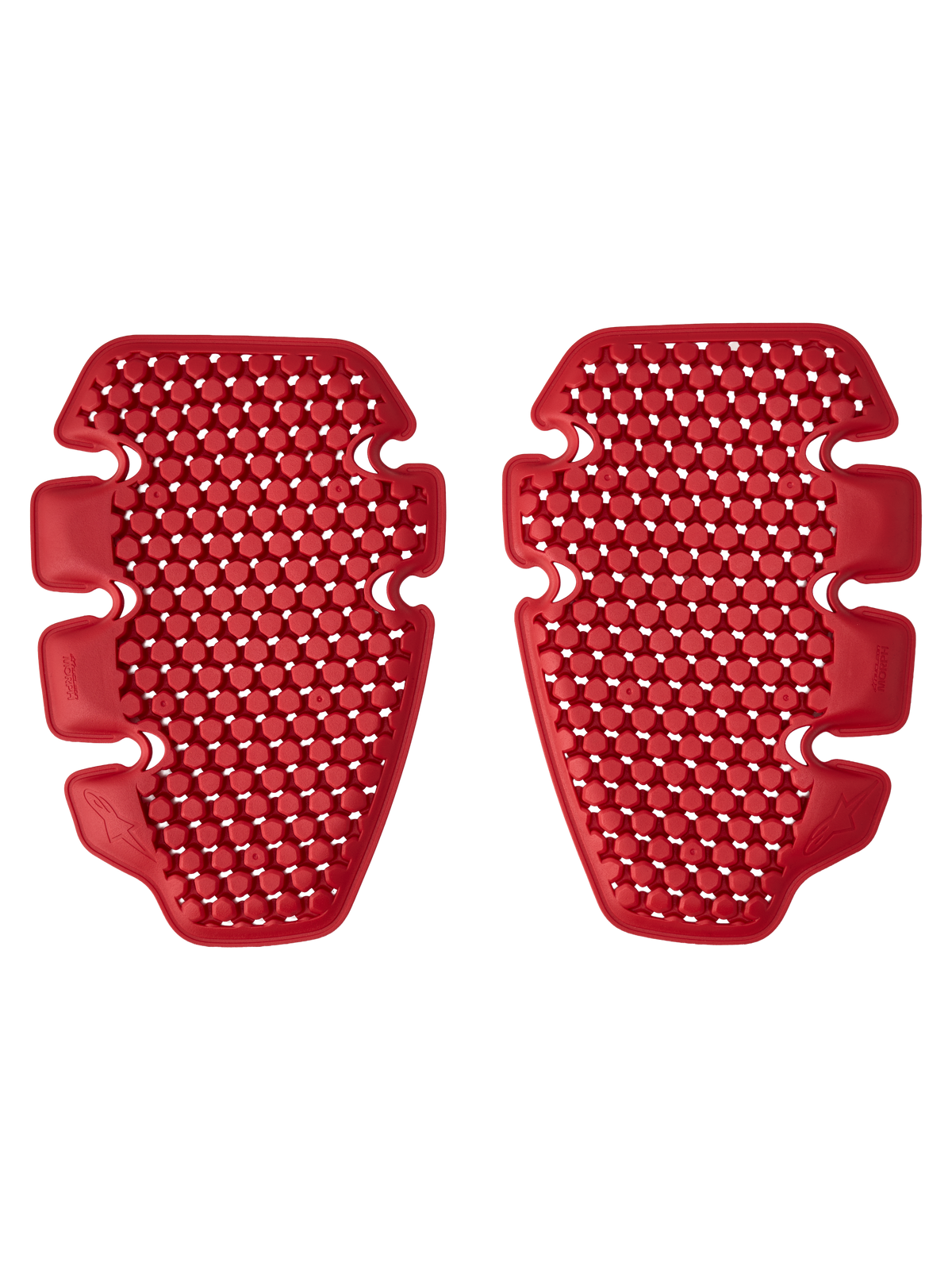
Ginocchiera Nucleon Morph STEALTH -
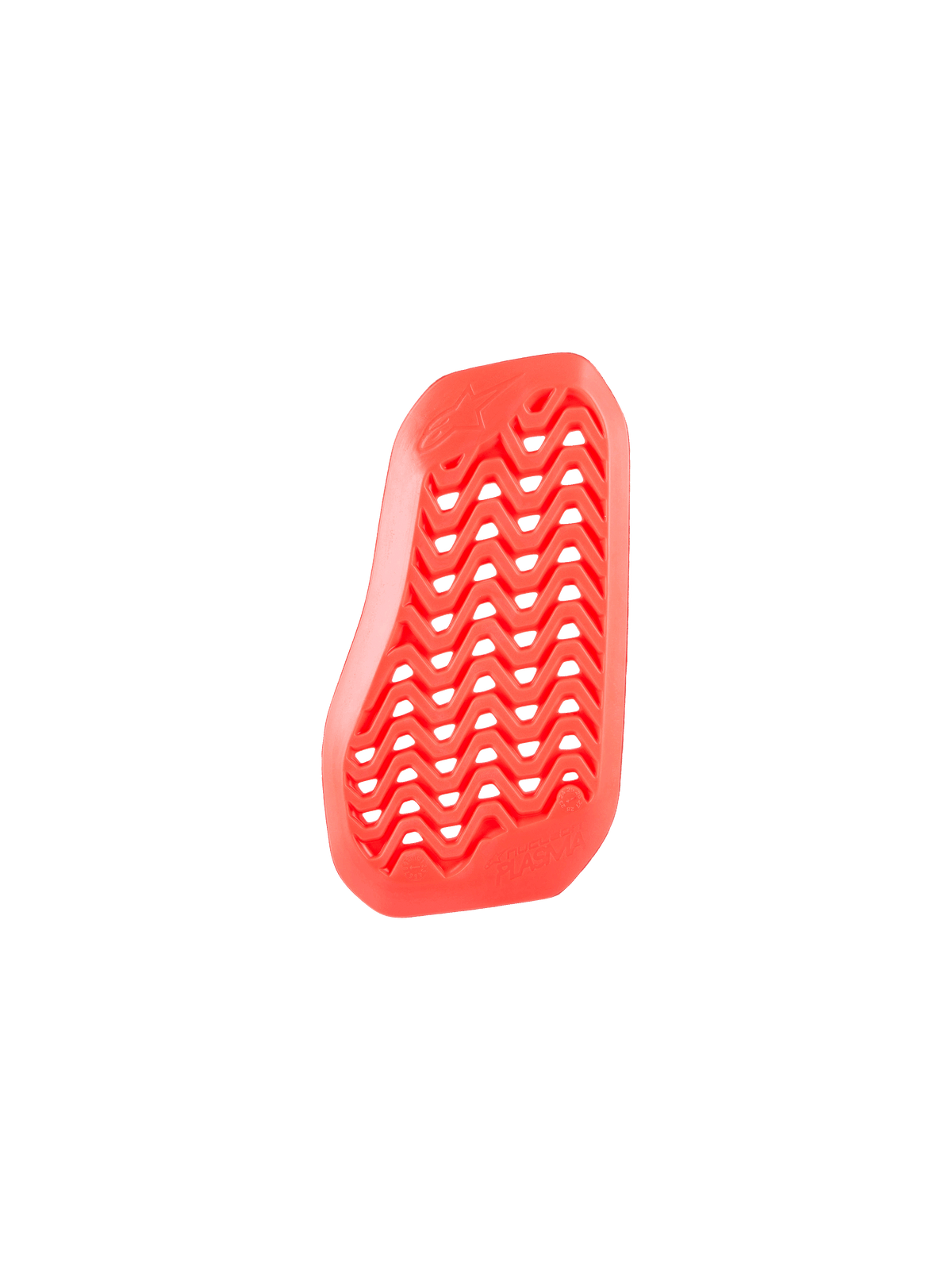
Protezione Torace Divisa Nucleon Plasma -
Inserto Protezione Torace Intera Nucleon Plasma -
Paraschiena Nucleon Plasma -
Paraschiena Nucleon Kr-2 -
Slider GP Plus -
Knee Slider GP Plus -
Paraschiena Nucleon Kr-3 -
Paraschiena Nucleon Kr-Y Ragazzo -
Knee Slider GP Tech -
Slider Per Ginocchio GP Plus -
Protezione Nucleon Kr Cell Ci S -
Protezione Torace Intera Nucleon Plasma A Strappo -
Protezioni Nucleon KR Cell Cir -
Protezione Torace Nucleon Kr-C -
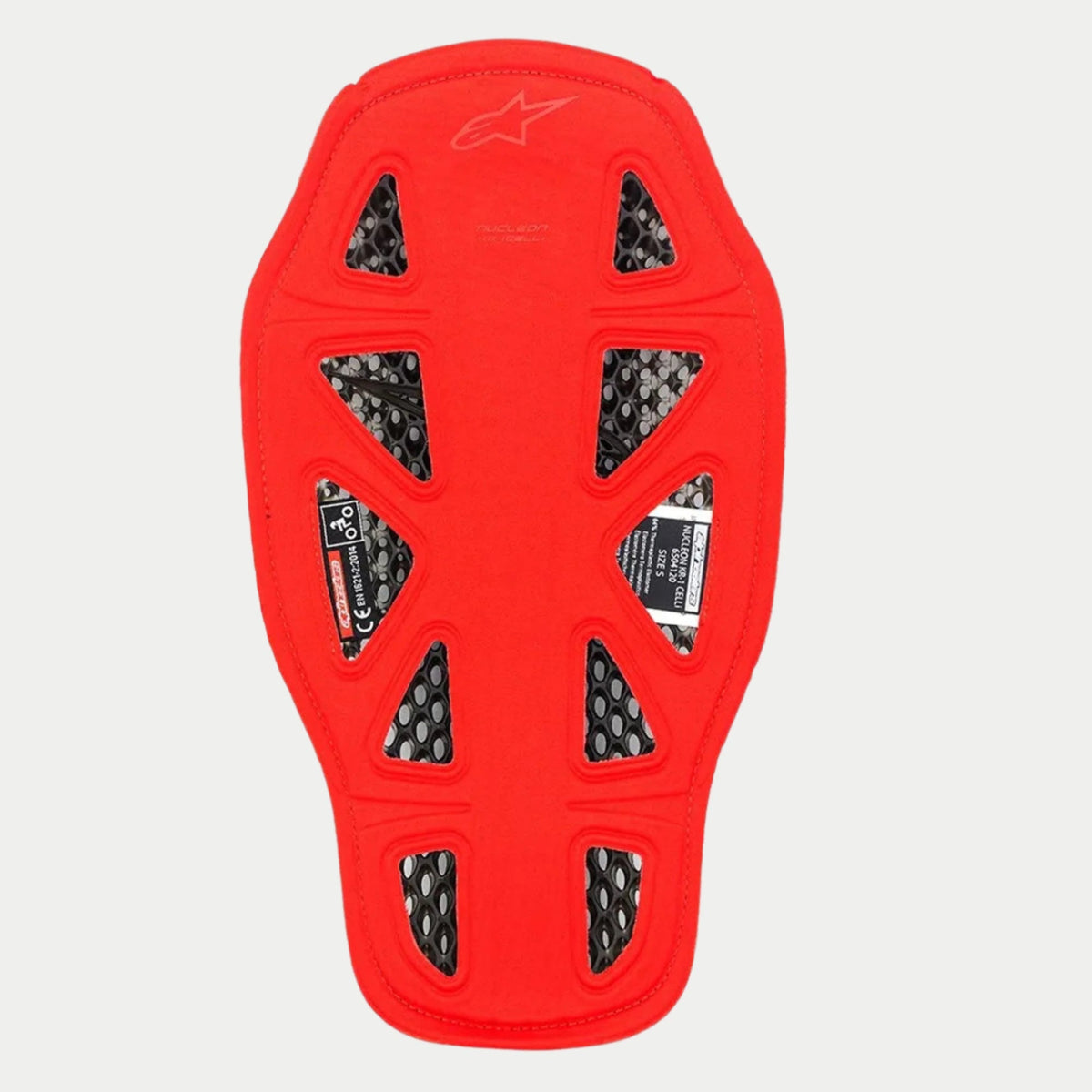
Paraschiena Nucleon KR-1 Cell -
Inserto Per Paraschiena Nucleon Kr-Celli
























Domande frequenti Nascondi FAQ
Cosa significano i livelli CE 1 e 2 per le protezioni corpo da moto?
I livelli CE indicano quanta forza d’impatto viene trasmessa attraverso una protezione durante i test previsti dalle norme EN. Il livello 2 consente una forza trasmessa inferiore rispetto al livello 1, offrendo una maggiore capacità di attenuazione degli impatti quando la protezione è indossata correttamente.
| Norma | Zona | Livello 1 (forza media massima) | Livello 2 (forza media massima) |
|---|---|---|---|
| EN 1621‑1 | Spalla, gomito, anca, ginocchio (arti) | ≤ 35 kN | ≤ 20 kN |
| EN 1621‑2 | Schiena | ≤ 18 kN | ≤ 9 kN |
| EN 1621‑3 | Torace | ≤ 18 kN | ≤ 9 kN |
Scegli il livello adatto alle tue esigenze di guida e comfort. Le protezioni di livello superiore possono essere più spesse o rigide; verifica la corretta vestibilità affinché restino ben posizionate quando sei in sella.
Come scelgo la taglia e la vestibilità giuste per un paraschiena o una protezione torace?
Considera la tua altezza e le misure del busto e del torace, poi consulta le indicazioni sulle taglie nella pagina di ciascun prodotto. Un paraschiena dovrebbe coprire la zona dalla parte superiore della colonna vertebrale, tra le scapole, verso il coccige, senza interferire con il contatto con la sella; una protezione torace dovrebbe essere centrata sullo sterno e sulla gabbia toracica, senza lasciare spazi scoperti.
Prova le protezioni in posizione di guida, indossando gli strati che prevedi di utilizzare. Regola le cinghie in modo che la protezione sia stabile senza limitare i movimenti e verifica che resti in posizione quando raggiungi i comandi o ti volti a guardare oltre la spalla.
Posso indossare una protezione corpo sotto la giacca o con un sistema airbag Tech‑Air?
La maggior parte delle protezioni per uso stradale è progettata per essere indossata sotto una giacca o una tuta da moto. Se il capo esterno dispone di tasche per protezioni rimovibili, puoi indossare protezioni indipendenti al di sotto, assicurandoti che ci sia spazio sufficiente per il corretto posizionamento e la libertà di movimento.
Per l’uso con un airbag, indossa solo capi e strati chiaramente contrassegnati come “Tech‑Air Compatible/Ready” e segui le istruzioni del sistema. Evita di aggiungere gusci rigidi sopra un airbag, a meno che lo specifico sistema non lo consenta. Per maggiori dettagli, consulta i sistemi Tech‑Air e il verificatore di compatibilità Tech‑Air.
Qual è la differenza tra protezioni morbide, protezioni a guscio rigido e parasassi?
Le protezioni morbide viscoelastiche si adattano al corpo e si irrigidiscono momentaneamente all’impatto per assorbire energia; il loro profilo sottile è adatto all’uso stradale e urbano. Le protezioni a guscio rigido combinano piastre rigide e schiuma ad assorbimento di energia per una maggiore resistenza alla perforazione e allo scivolamento, e sono comunemente utilizzate nel fuoristrada e in ambienti con molti detriti.
I parasassi, spesso testati secondo la norma EN 14021, servono principalmente a schermare da pietre e detriti sollevati nel motocross e potrebbero non offrire un’attenuazione degli impatti certificata CE per torace o schiena. Per la protezione dagli impatti, cerca le norme EN 1621‑3 (torace) ed EN 1621‑2 (schiena). Esplora le opzioni nelle categorie protezione torace da moto e protezioni MX.
Come pulisco e mantengo le protezioni corpo da moto?
Rimuovi le protezioni dai capi prima di lavare l’abbigliamento esterno. Pulisci le protezioni con un panno umido e sapone delicato; non utilizzare solventi, candeggina o temperature elevate. Lasciale asciugare all’aria, lontano dalla luce solare diretta o da fonti di calore, ed evita compressioni prolungate che possono deformare le imbottiture.
Controlla le protezioni regolarmente e dopo ogni caduta o incidente. Sostituisci quelle che presentano crepe, deformazioni permanenti o che non si posizionano più correttamente nel tuo equipaggiamento.